
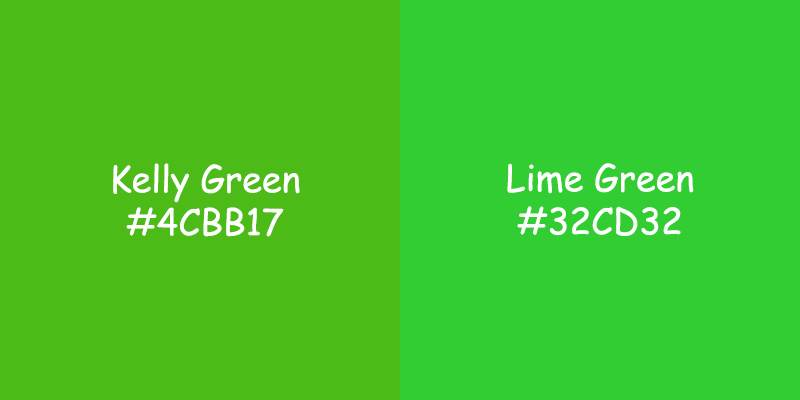
When it comes to vibrant and eye-catching colors, few can compete with the striking hues of green. In particular, kelly green and lime green are two shades that often catch our attention. But what exactly sets these two colors apart?
I will take to you to the kelly green and lime green world, exploring their unique characteristics and helping you understand when and how to use them. Whether you’re an interior designer looking to add a pop of color to a room or a fashion enthusiast searching for the perfect statement piece, understanding the differences between kelly green and lime green will give you the confidence to make the right choice. So, let’s explore these electrifying shades and discover their individual charm.
What is Kelly Green?
Kelly Green is a vibrant shade of green that is characterized by its cool and calm undertones. It is named after the color of the lush green grass on the fairways of golf courses.
Characteristics of Kelly Green
Kelly Green is known for its:
- Intensity: It is a bold and bright shade of green that immediately catches the eye.
- Balanced Hue: Kelly Green has equal parts of blue and yellow, giving it a balanced and harmonious appearance.
- Cool Undertones: It leans towards the cool side of the color spectrum, giving it a refreshing and relaxing feel.
- Versatility: While it can be intense, Kelly Green can also be a versatile color, depending on its context and accompanying colors.
- Popularity: Kelly Green has gained popularity as a symbol of growth, renewal, and environmental awareness.
Uses of Kelly Green
Kelly Green finds its applications in various fields, including:
Fashion:
- Clothing: Kelly Green is often used in fashion to create bold and eye-catching outfits. It adds a vibrant touch to clothing items such as dresses, blouses, and accessories.
- Footwear: Kelly Green shoes can make a stylish statement and add a pop of color to any outfit.
- Nail Polish: Kelly Green nail polish is a trendy choice, especially during the spring and summer seasons.
Interior Design:
- Wall Colors: Kelly Green can be used to create a bold accent wall in living rooms, bedrooms, or home offices.
- Furniture: Incorporating Kelly Green furniture pieces, such as a sofa or accent chair, can bring a vibrant and energetic feel to a space.
- Home Accessories: Kelly Green pillows, throws, and rugs can be used to add pops of color to a neutral color scheme.
Sports:
- Team Uniforms: Kelly Green is a popular choice for team uniforms in sports such as basketball, soccer, and lacrosse.
- Sports Equipment: It can be found on sports equipment like basketballs, soccer balls, and golf balls.
Remember, when using Kelly Green, consider the context and the overall aesthetic you want to achieve. Whether you’re looking to make a bold statement or add a subtle touch of vibrancy, Kelly Green can be a versatile color choice.
What is Lime Green?
Lime Green is a vibrant shade of green that sits on the color spectrum between yellow and green. It is a highly energetic and eye-catching color that commands attention. In this section, I will explore the characteristics of Lime Green and delve into its various uses.
Characteristics of Lime Green
Lime Green is known for its brightness and intensity. It radiates a sense of energy and vitality, making it a popular choice for creating focal points or adding a pop of color to any design. With its vibrant hue, Lime Green effortlessly captures attention and can create a lively atmosphere.
Lime Green has a yellowish undertone that sets it apart from other shades of green. This undertone gives it a refreshing and citrus-like quality, reminiscent of zesty lime fruits. The combination of the bright green hue and the yellow undertone creates a color that is both vibrant and refreshing.
Uses of Lime Green
Lime Green finds its applications in various fields, including fashion, interior design, and marketing. Its bold and vibrant nature makes it a go-to color for creating visually striking designs. Here are some popular uses:
- Fashion: Lime Green is a favorite choice in the fashion industry, especially during the spring and summer seasons. It adds a fresh and vibrant touch to clothing, accessories, and footwear. Designers often incorporate Lime Green into their collections to create eye-catching and trendy looks.
- Interior Design: Lime Green can inject a burst of energy into interior spaces. It is often used in accent pieces, such as throw pillows, rugs, or artwork, to create a lively and uplifting atmosphere. Lime Green can also be used as a bold wall color or as part of a color scheme to create a vibrant and modern space.
- Marketing: Lime Green is commonly used in marketing campaigns to grab attention and convey a sense of energy and excitement. It is particularly effective for products and brands targeting a youthful and adventurous audience. From logos to packaging, Lime Green can help a brand stand out and create a memorable visual identity.
Lime Green is a color that embodies vibrancy, energy, and freshness. Its unique characteristics make it a versatile choice for a wide range of applications. While Lime Green and Kelly Green may share some similarities, they each have their own distinct qualities that set them apart. Understanding the nuances of these colors can help you make informed choices when incorporating them into your designs.
Kelly Green vs Lime Green: Similarities
When it comes to shades of green, Kelly Green and Lime Green have their own distinct qualities. However, they also share some similarities that can sometimes make it difficult to tell them apart. Let’s take a closer look at the similarities between these two vibrant greens.
Firstly, both Kelly Green and Lime Green are bright and eye-catching. They are vivid shades that command attention, making them popular choices in various design fields. Whether it’s a fashion statement, an interior accent, or a marketing campaign, both colors can easily draw the eye and create a sense of energy.
Additionally, Kelly Green and Lime Green both have yellow undertones. This gives them a refreshing and citrus-like quality, making them feel vibrant and invigorating. The yellow undertone in both colors adds a touch of warmth and brightness, which can be especially appealing when used in spring or summer designs.
Furthermore, both colors have cultural associations that revolve around nature and growth. Kelly Green is often associated with Ireland and its lush landscapes, while Lime Green is reminiscent of fresh limes and tropical vibes. These cultural connections can help create a specific mood or evoke certain emotions when used in design.
Lastly, Kelly Green and Lime Green can be used together to create striking color combinations. Their similarities in brightness and yellow undertone allow for seamless transitions between the two shades, making them complementary and harmonious. This versatility gives designers the freedom to play with different palettes and create visually appealing compositions.
While Kelly Green and Lime Green have their differences, it’s important to acknowledge their shared characteristics. They are both vibrant, eye-catching, and have yellow undertones. Understanding the similarities between these colors can help designers make informed choices and create visually striking designs. So, next time you’re considering a shade of green, keep in mind the unique qualities of Kelly Green and Lime Green and how they can enhance your creative projects.
Kelly Green vs Lime Green: Differences
Shade and Hue
When it comes to shade and hue, Kelly Green and Lime Green exhibit noticeable distinctions. Kelly Green is a rich, medium-green color that is reminiscent of lush vegetation. Its hue leans more towards a true green, with a deeper intensity. On the other hand, Lime Green is a lighter and brighter shade, reflecting the zestiness of its namesake fruit. With a yellow undertone, Lime Green has a vibrant and energetic quality.
Psychological Effects
These colors also differ in terms of their psychological effects. Kelly Green is often associated with feelings of tranquility, harmony, and balance. Its deep and earthy tone evokes a sense of natural serenity. On the contrary, Lime Green exudes a sense of playfulness, rejuvenation, and freshness. The bright and lively nature of this color can promote feelings of energy and vitality.
Popularity and Trends
In terms of popularity and trends, both Kelly Green and Lime Green have their own followings. Kelly Green has been a timeless color, associated with nature and growth. It has long been a staple in environmental and nature-themed designs. Lime Green, on the other hand, has gained popularity in recent years, particularly in contemporary and modern design schemes. Its vibrant and attention-grabbing nature sets it apart and makes it a popular choice for creating focal points in design.
Conclusion
Kelly Green and Lime Green are two distinct shades that offer unique qualities and evoke different emotions. Kelly Green is a deeper, richer color that exudes tranquility and balance, making it a timeless choice associated with nature and growth. On the other hand, Lime Green is a lighter and brighter shade that brings a vibrant and energetic quality to any design scheme, promoting feelings of playfulness and freshness.
Both colors have their own followings and can be used effectively in various contexts. Kelly Green is often favored for its classic appeal and its ability to create a sense of harmony, while Lime Green has gained popularity in contemporary and modern designs for its lively and eye-catching nature.
Whether you prefer the calm and serene vibes of Kelly Green or the energetic and lively atmosphere of Lime Green, both colors offer unique characteristics that can enhance any space or design project. So, when choosing between Kelly Green and Lime Green, consider the mood and ambiance you want to create, and select the shade that best aligns with your vision.
Frequently Asked Questions
Q: What is the difference between Kelly Green and Lime Green?
A: Kelly Green is a deeper, medium-green color with a rich intensity. Lime Green, on the other hand, is a brighter and lighter shade with a vibrant and energetic quality.
Q: How do Kelly Green and Lime Green differ psychologically?
A: Kelly Green evokes feelings of tranquility and balance, while Lime Green promotes feelings of playfulness and freshness.
Q: Are there any differences in popularity or associations?
A: Yes, Kelly Green is a timeless color associated with nature and growth. Lime Green, on the other hand, has gained popularity in contemporary and modern design schemes.
